.jpg)
Introduction
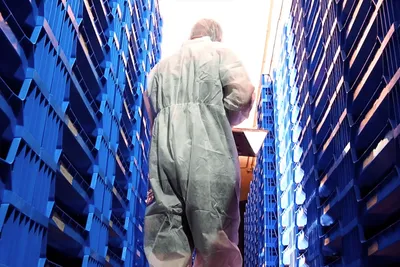
Circular agriculture envisions an agricultural system where waste is minimized, resources are cycled, and environmental impacts are actively reduced while optimizing productivity. Within this framework, the Black Soldier Fly (BSF; Hermetia illucens) is rapidly becoming one of the linchpins for change. From transforming organic waste into high-value protein to producing frass fertilizer that enriches soils, BSF is reshaping how we think about waste, nutrient cycles, and food systems. With sustained innovation and supportive policy, its role by 2035 could extend well beyond feed, becoming integral to resilient food systems, carbon-positive soils, and sustainable economies.
Global Market Projection
The financial contours of the BSF sector highlight a meteoric rise: recent research by Meticulous Research projects that the global BSF market will increase from about US$0.44 billion in 2025 to US$5.60 billion by 2035, registering a CAGR of approximately 29%.(prnewswire.com)
Key markets leading this surge include:
- Aquafeed and Animal Feed: Protein meal derived from BSF is already gaining traction as fishmeal alternatives, with aquaculture among the fastest-growing applications.(prnewswire.com)
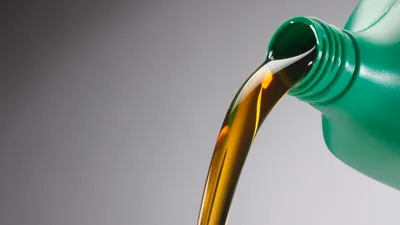
- Larvae Oil: One of the fastest-growing product segments, largely driven by demand for sustainable oils and improved extraction methods.(prnewswire.com)
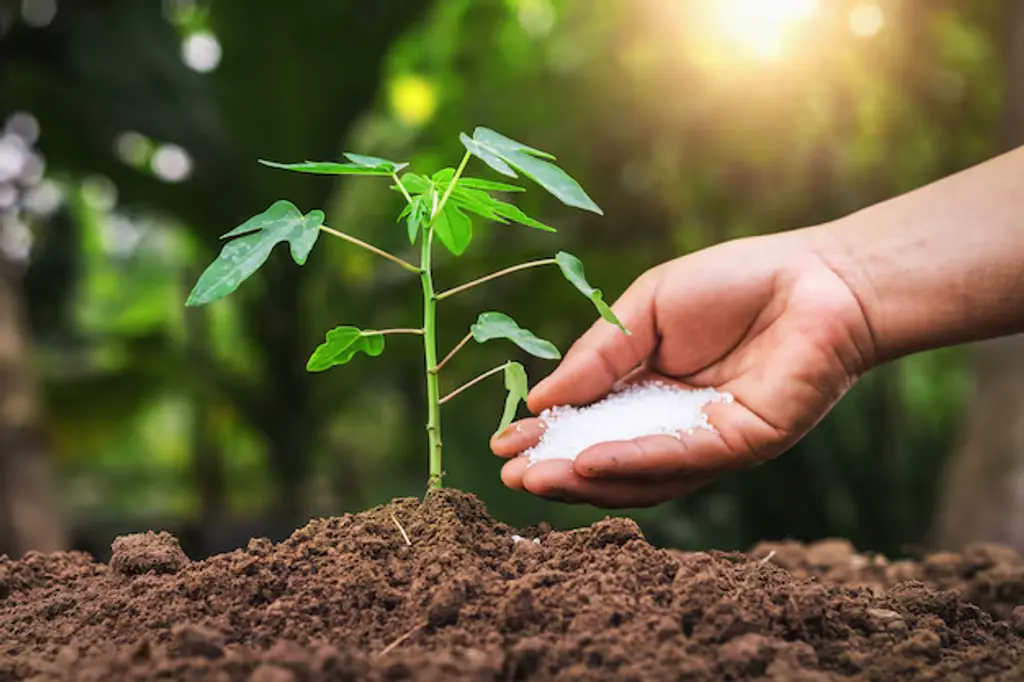
- Biofertilizers / Frass: As interest in soil health intensifies, BSF frass is emerging as a premium organic soil amendment.(prnewswire.com)
- Pet Food & Agriculture Beyond Feed: Premium pet food brands are incorporating insect protein; agriculture is exploring broader roles for BSF derivatives beyond traditional uses.(prnewswire.com)
Geographically, Europe currently leads, thanks to more advanced regulations and consumer acceptance. Asia-Pacific is the fastest-growing region, propelled by low labor costs, strong domestic demand, and large aquaculture sectors. North America follows, with rapidly growing innovation and investment in alternative proteins.(prnewswire.com)
Sustainability Metrics: The Environmental Case for BSF
Waste Reduction & Lifecycle Impacts
BSF-based bioconversion of organic waste demonstrates compelling efficiency. In material flow analyses, waste volume reductions often exceed 50%, with rapid processing times under ideal conditions.(mdpi.com) Life Cycle Assessment (LCA) comparisons show that, per tonne of wet waste, the GHG footprint of BSF systems can be far lower than for standard composting—sometimes half the emissions—especially when electricity use, downstream handling, and product substitution effects are factored in.(pubmed.ncbi.nlm.nih.gov)
Soil Health & Carbon Sequestration
Frass, the residual byproduct after larvae processing, behaves as a potent organic conditioner: it improves soil biological activity (increasing bacterial and fungal populations) and helps release phosphorus and nitrogen gradually—enhancing nutrient uptake while limiting leaching.(nature.com)
While data on biochar derived from BSF systems is less mature, biochar in general (from comparable feedstocks) has been shown to aid in carbon sequestration and reduce soil emissions when applied properly.(pubmed.ncbi.nlm.nih.gov)
From Lab to Farm: Recent Innovations
Oil with Immunomodulatory Properties
A breakthrough study published in 2025 investigated a treated BSF larvae oil—known as MBSFL—for its effects on immunometabolic processes. Lab tests revealed that MBSFL significantly suppressed inflammatory cytokines (such as TNFα, IL-6, IL-17, GM-CSF) while sparing anti-inflammatory cytokines. Mechanistically, this oil downregulated key inflammatory signaling pathways like NF-κB and activated PPARδ in inflammatory macrophage phenotypes.(pubmed.ncbi.nlm.nih.gov)
In vivo trials in mice with diet enriched in BSFL oil showed improvements in body weight, reduced colon shortening and spleen enlargement in models of ulcerative colitis—pointing to real potential for animal wellness and perhaps even human dietary applications in the future.(mdpi.com)
Fatty Acid & Antioxidant Profile Improvements
Comparative studies of extraction methods for BSFL oil reveal that ultrasonic extraction yields the highest overall fat recovery, while aqueous, high-temperature extraction yields oils rich in lauric acid (often 28–37%) with strong antioxidant activity. These findings have direct implications for optimizing nutritional value and functional properties of BSF oil mixtures.(pubmed.ncbi.nlm.nih.gov)
Challenges on the Path
Despite its rapid rise, BSF farming still faces meaningful obstacles:
- Regulation & Safety: Heavy metal accumulation, pathogen control, and consistent quality of feed substrates remain pressing concerns. Ensuring that BSF products meet safety standards—particularly for human consumption or pet food—will require clearer regulatory frameworks and enforcement.
- Scaling Infrastructure: While lab-scale and pilot farms are performing well, scaling to commercial volumes demands investment in automation, temperature control, feed substrate supply consistency, and energy efficiency.
- Market Acceptance & Consumer Perceptions: Even among sectors open to insect-based ingredients, consumer hesitation remains—especially for human food. Education on BSF benefits—and transparent processing—is critical.
The Road Ahead: Actionable Steps
To unlock BSF’s full potential in circular agriculture by 2035, coordinated efforts are essential:
-
Standardization
- Establish best practices for substrate sourcing, contamination testing, nutrition profiling, and frass composition.
- Develop standardized breeding strategies to optimize desirable traits (protein, lipid profiles, resilience).
-
Policy and Regulation
- Policies that clarify permissible substrates (e.g., food waste, agricultural byproducts), acceptable contaminant limits, and labeling.
- Incentives—tax breaks, subsidies—for farms that adopt circular models or integrate waste stream recycling.
-
Support for Regional Hubs & SMEs
- Decentralized BSF hubs transforming regional organic waste can reduce transportation emissions and support local economies.
- Cooperative models where excess feedstocks or shared processing facilities are leveraged to reach economies of scale.
-
Integrating with Traditional Agricultural Systems
- Use frass to enrich soil in existing farms, replacing or blending synthetic fertilizers.
- Incorporate BSF protein and oil into feeds for poultry, aquaculture, and livestock—thus closing local nutrient loops.
Case Examples to Watch
- Research from the Hebrew University of Jerusalem on MBSFL oil isn’t just academic; it’s laying groundwork for functional feed additives that may reduce antibiotic usage and improve animal health.(phys.org)
- Studies optimizing extraction methods for BSFL oil show promise for customizing lipid and antioxidant profiles for specific applications—from feed to cosmetics.(pubmed.ncbi.nlm.nih.gov)
Explore more about BSF implementation in real-world contexts: from automated larval farms in Asia that process industrial residue, to pilot programs in Europe integrating BSF into municipal waste treatment—each case teaches lessons for resilience, efficiency, and sustainability.
References
- Meticulous Research. Black Soldier Fly (BSF) Market by Product Type, Application, End User & Geography - Global Forecast to 2035. PR Newswire. June 20, 2025.(prnewswire.com)
- Inbart Richter, H., Gover, O., Hamburg, A., et al. “Impact of Black Soldier Fly Larvae Oil on Immunometabolic Processes.” International Journal of Molecular Sciences, 2025.(pubmed.ncbi.nlm.nih.gov)
- Srisuksai, A., et al. “Physicochemical Properties and Fatty Acid Profile of Oil Extracted from Black Soldier Fly Larvae.” PubMed, 2025.(pubmed.ncbi.nlm.nih.gov)
- Pant, R., et al. “Environmental Impact Scenarios of Organic Fraction Municipal Solid Waste Treatment with BSF Larvae Based on a Life Cycle Assessment.” Environmental Science and Pollution Research, 2023–2024.(link.springer.com)