.jpg)
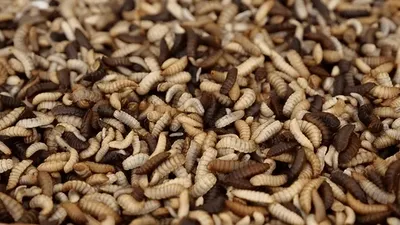
In East Africa today, smallholder agriculture stands at a pivotal moment. Crops are under siege from stemborers, parasitic weeds like Striga multiply in impoverished soils, and synthetic inputs burden both budget and body. Into this complex landscape steps a dual innovation: Black Soldier Fly (BSF) farming and Vegetable-Integrated Push-Pull (VIPP) cropping systems. BSF farming converts organic waste into high-protein feed and nutrient-rich frass, while push-pull — where repellent plants are intercropped and trap plants border the field — suppresses pests, improves soil fertility, and diminishes reliance on agrochemicals. Together, they offer a path to One Health: healthier people, animals, soils, and ecosystems.
Meanwhile, a new project by icipe, funded by the IKEA Foundation, is bringing BSF farming and VIPP together in Kenya, Rwanda, and Uganda. It seeks not just to treat symptoms like pest invasion or feed shortage—but to re-engineer system flows. Organic waste becomes feed, crop diversification builds nutrition, and natural pest control cuts exposure to harmful chemicals. This integration has profound implications, yet remains under‐discussed.
The VIPP + BSF Program: What and Where
The initiative titled “Scaling Regenerative Black Soldier Fly Farming Innovations with Vegetable Push-Pull Cropping Systems for One Health in Rural Kenya, Rwanda and Uganda” is a multi-country, four-year project (2023-2027) with a budget of about USD 5 million. It is led by icipe under the INSEFF portfolio and aims to validate, promote and scale combined BSF and VIPP innovations for improved livelihoods. inseff.icipe.org
The work builds on successes at two fronts. VIPP has shown its capacity to reduce crop pest pressure on vegetables and cereals and to enhance yields under push-pull systems. Separately, BSF initiatives in East Africa are advancing organic waste reuse and alternative feed sources. The new project aims to join these threads — integrating BSF into VIPP landscapes— to strengthen circular economy potentials. Key nations for implementation include Kenya, Rwanda, and Uganda. rab.gov.rw
At an inception workshop held in Kigali in April 2024, icipe and regional agricultural agencies gathered stakeholders—farmers, researchers, regulators, extension agents—to map out integration strategies, environmental monitoring, entrepreneurship support, and policy pathways. Organic waste sourcing, feed formulation, and measures of One Health impact were central themes. rab.gov.rw
Challenges in BSF Farming Locally
One hurdle is low bioconversion efficiency: for many small-scale BSF producers in East Africa, less than 10% of substrate mass turns into larval biomass under subsistence or low-resource systems. This contrasts sharply with specialized operations. The ILRI-led PAFIE project (2024-2028) is addressing this by testing improved rearing methods, substrate sorting, and neonate (young larvae) supply systems to raise efficiency. ilri.org
Other constraints include seasonal variations in egg production, unreliable waste collection and sorting, and high logistical costs for both feedstocks and transport. Regulatory frameworks governing insect-based feed, larvae safety, and fertilizer use are still patchy, especially in smallholder contexts. Market linkages—how to connect small scale BSF-meal producers with poultry, fish, and livestock farmers — are still emerging. ilri.org
Innovations and Strategies Being Tested or Proposed
Several promising strategies are underway:
-
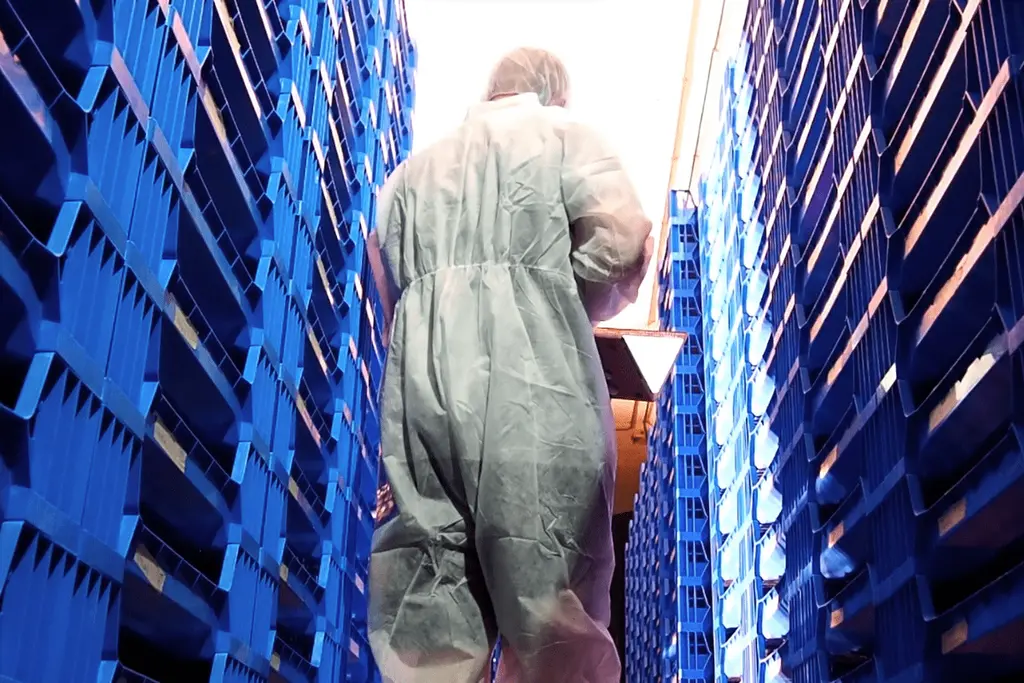
Rearing technologies adapted to local contexts: The PAFIE project is trialing “pocket technology”—compact, efficient larval rearing units developed with BSF Breeding Ltd—alongside traditional deep litter and crate systems in Kenya and Tanzania. Trials evaluate how these systems perform under varying substrate quality and environmental conditions. ilri.org
-
Neonate supply chain strengthening and breeding: Reliable access to BSF eggs and neonates is vital. Projects are working to support breeder farms to produce high quality eggs, establish supply networks, and reduce dependency of smallholders on expensive or irregular imports.
-
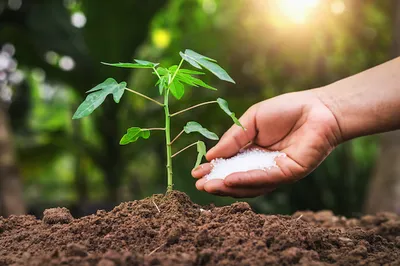
Use and valorisation of frass: The byproduct of BSF larvae, frass, has potential as fertilizer and soil amendment. Trials are exploring its effects on forage and vegetable crops, especially within VIPP plots, aiming to close nutrient loops. ilri.org
-
VIPP adaption to vegetable systems: Research such as An Intensified Cereal Push-Pull System has demonstrated that crops like tomatoes and kale, when integrated within push-pull systems, suffer less damage from aphids, diamondback moth, leafminers, whiteflies and other pests while yielding better crop quality. These are being expanded across East Africa under the new project. thehive.icipe.org
-
Capacity building and entrepreneurship: Training smallholders in both BSF production and VIPP implementation, connecting them with markets, facilitating access to capital, and ensuring knowledge exchange are central. Initiatives include university partnerships (e.g. Kyambogo and NARO in Uganda), veterinary and environmental agencies, and private sector actors. kyu.ac.ug
Benefits for One Health
The integrated system delivers benefits across multiple dimensions:
-
Human health: Reduced reliance on synthetic pesticides in VIPP lowers exposure risks for farmers and consumers. Better diets emerge when vegetables thrive and when BSF-derived feed supports affordable fish and poultry production.
-
Animal health: Access to cleaner, protein-rich feed sources from BSF—produced under higher hygiene standards—supports growth, reduces disease risk, and improves nutrition.
-
Environmental health: Organic wastes are diverted from open dumping; greenhouse gas emissions are lowered. Push-pull enhances soil structure, nitrogen fixation, moisture retention; frass enriches soils without synthetic fertilizers. This system promotes biodiversity.
-
Soil and plant health: Push-pull with desmodium and trap plants suppresses Striga and stemborer pests, while intercropping vegetables provides insect diversity and habitat for beneficial species. Soil fertility improves through added organic matter and nitrogen-fixing plants.
What Success Would Look Like
For this project, “success” can be measured in concrete indicators:
- Bioconversion rates of BSF improved significantly, perhaps moving from <10% to double digits under small systems.
- Vegetable yield gains (tomatoes, kale etc) using VIPP show statistically and economically meaningful increases versus conventional controls.
- Reduction in synthetic pesticide and fertilizer inputs per hectare.
- Number of smallholders adopting the integrated system; including women and youth participation.
- Economic returns: improved income from vegetables, poultry/fish, waste valorisation; reduced cost of feed and inputs.
- Policy and regulatory frameworks supporting BSF production and feed safety, organic fertilizer registration, and scaling.
Policy, Market, and Scalability Considerations
To scale, several enabling conditions are key:
-
Clear regulation for insect-based feed safety, standards for frass fertilizer, and quality control. Governments need to churn out guidelines and certification pathways.
-
Market development: feed millers, fish farmers, poultry producers need to see reliable supply of BSF meal; extension services must demonstrate ROI.
-
Finance: access to credit or grants for startup costs in BSF farming infrastructure, VIPP adoption (trap plant seedlings etc.), post-harvest handling, and waste logistics.
-
Modular, decentralized units: BSF units must be affordable and easy to replicate; VIPP plots must be adaptable to local climate, soil type, and crop preferences.
-
Knowledge sharing: data on what works, what fails, must be shared with farmers, researchers, policy makers.
-
Inclusivity: ensure women, marginalized groups are not left out; build local capacity.
Through combining these strategies with the emerging innovations, East Africa may see transformative shift in food systems: from linear input-heavy systems toward resilient, circular, healthful agro-ecosystems.