.jpg)
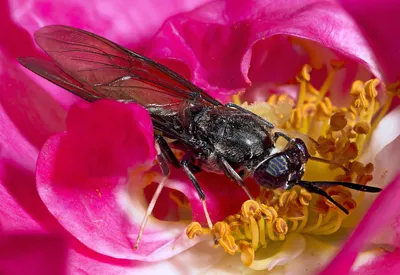
Texas A&M is testing black soldier fly larvae on extreme land: abandoned mines, polluted industrial sites, and, in the project’s own framing, extraterrestrial soils. The WoodNext Foundation funds the work. The system pairs BSFL with robotics, AI and sensors.
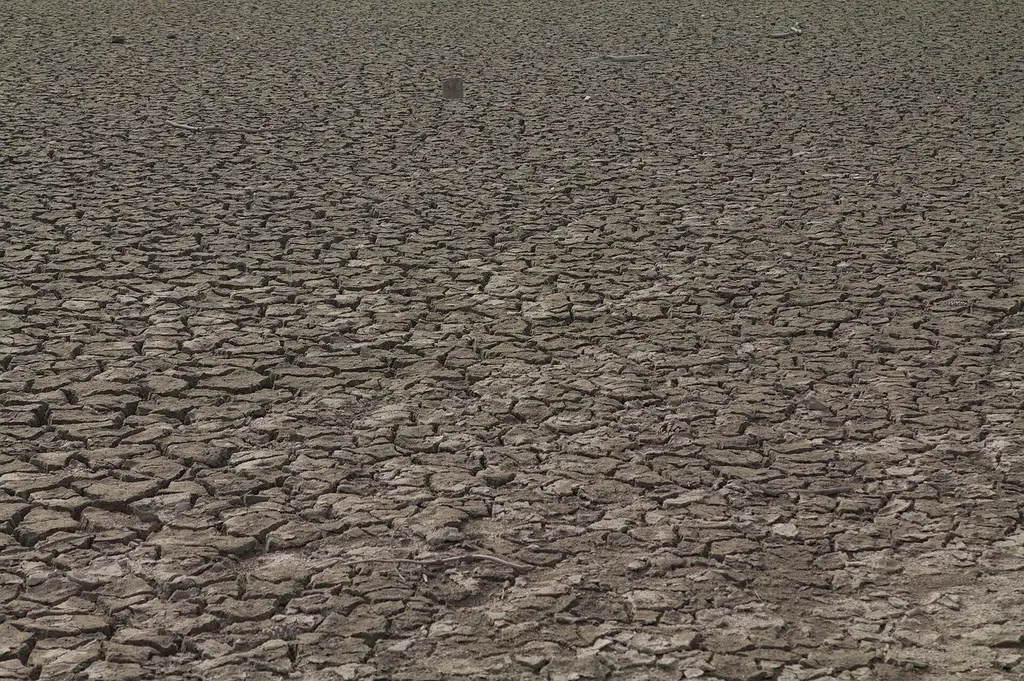
Abandoned mines and polluted industrial sites are soils where plants usually fail. The project aims to reclaim those environments and turn them into fertile ground. (agrilifetoday.tamu.edu)
BSFL are already known for recycling organic waste into protein and fertilizer—but their most intriguing power may be this: when fed on contaminated waste or soil residues, they can help reduce levels of harmful substances while contributing to soil regeneration. (engineering.tamu.edu) What’s more, tech components—autonomous robots, sensor networks, and AI control—are being integrated to monitor, adapt, and eliminate the need for human exposure in dangerous settings. (engineering.tamu.edu)
Who’s Doing What in the Project
This is a cross-disciplinary team, not a single-lab demo.
| Researcher | Role named in the Texas A&M coverage |
|---|---|
| Dr. Jeffery Tomberlin (Entomology & AgriLife Research) | Biology: BSFL handling contaminants and still producing viable biomass |
| Dr. Guillermo Aguilar (Mechanical Engineering) | Sensors: soil quality, nutrients, pollutant concentrations |
| Dr. Minghui Zheng (Mechanical Engineering) | Robotics: distributing materials, moving larvae, turning soil, reducing human exposure |
| Dr. Xiao Liang (Civil & Environmental Engineering) | AI: decisions from sensor inputs, pH, moisture, temperature, loop control |
Tomberlin’s work centers on BSFL’s ability to handle contaminants in their feed and environment, and still produce viable biomass. (engineering.tamu.edu) Aguilar is designing the sensor systems. (engineering.tamu.edu) Zheng builds the robotic platforms. (engineering.tamu.edu) Liang runs the AI control loop. (engineering.tamu.edu)
All these come together with support from the WoodNext Foundation, founded by Anthony Wood ’87 and Susan Wood ’89. The goal is ambitious: reclaim toxic soil not just here on Earth but in habitats far off world. (engineering.tamu.edu)
Step-by-Step: How the System Works
-
Organic input + toxic substrate
Larvae are fed on organic waste—food scraps, compostables, or other biomass—even mixed with contaminated soil or material. As they consume and process it, they help reduce toxicity. (agrilifetoday.tamu.edu) -
Sensors in the soil
Strategically placed sensors collect measures like contaminant concentration, nutrient balance, moisture, etc. These streams of data offer early warnings and guide adjustments. (engineering.tamu.edu) -
Robotic intervention
Physical tasks—like mixing soils, applying feedstocks, adjusting moisture barriers—are managed by robotic systems. This reduces both labor and hazard. (engineering.tamu.edu) -
AI-driven control loops
AI systems take in sensor readings and adapt the environment: adjusting when to introduce seasons of larvae, altering moisture or pH to favor both microbes and the larvae. The aim is a self-regulating system. (agrilifetoday.tamu.edu) -
Soil recovery and plant growth
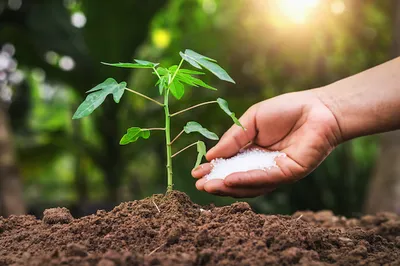
Over time, toxic levels are reduced, soil organic matter increases. Soil becomes functional for plant life—whether crops, native plants, or experimental extraterrestrial flora. (engineering.tamu.edu)
Why This Breakthrough Matters for BSF Farmers
For someone running or scaling a BSF farm, this research broadens horizons in several big ways:
- You’re not just feeding larvae and harvesting—but contributing to environmental healing. Frass, combined with treated substrate, might help reclaim marginal or contaminated land.
- There’s potential new demand: industries needing polluted land cleaned up or repurposed. Farms that can supply larvae or treated soil amendments may become partners in restoration projects.
- Tech partnerships will grow. Robotics, sensors, and AI need biological expertise. If you’re already raising BSFL, agents in tech spaces might reach out.
- Markets beyond food-feed-fertilizer: land restoration as a premium ecological service, carbon sequestration, even claims around human habitation or agriculture in novel environments.
What Remains to Be Proven
- How much toxin removal is actually possible? Heavy metals, PCBs, synthetic chemicals: how complete is the remediation?
- What about long-term soil health? After BSFL treatment, do nutrient cycles, microbial diversity, and structure return to resilient states?
- Risks of substrate contamination: if you feed larvae toxic waste, are the larvae themselves safe—if used as feed—or does toxicity accumulate?
- Cost and scalability: sensors, robotics, AI—these are costly. How does the economics stack up for smaller farmers versus large institutions?
Looking Back: BSFL in Soil Remediation & Microbial Recovery
Though the Texas A&M effort is newly public (February 2026), it builds on a growing scientific foundation:
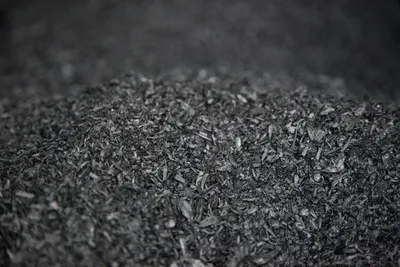
- Studies show frass—larvae excrement and cast skins—can improve soil structure, buffer pH, stimulate beneficial microbes, and improve fertility.
- BSFL are shown to recruit environmental microbes, effectively assembling microbial communities that assist in waste breakdown.
- Larvae have been used successfully on complex or fibrous waste materials—coffee grounds, fruit shells, etc.—showing resilience and adaptability in feedstocks once thought tough.
All this indicates that soil reclamation isn’t just possible—it’s already underway in smaller systems.
Earth and Beyond
One especially captivating aspect: this platform designed by Texas A&M doesn’t limit its ambition to Earth. Dr. Tomberlin and team envision application in extraterrestrial environments—moon bases, or Mars habitats—with systems running autonomously, supporting plant growth in harsh, engineered soils. (engineering.tamu.edu)
If you want, I can pull together a deep dive on frass composition or how regulators are looking at soil amendments post-treatment—great stuff for BSF farmers eyeing expansion.