.jpg)
What BSF-derived materials actually are
Black soldier fly farming has focused on protein meal, animal feed and organic fertilizers. The newer value chains sit in three under-used materials:
| Material | Use named in this post |
|---|---|
| Chitin / chitosan | Exoskeleton or pupal shells. Antimicrobial, film-forming, wound-healing. Insectta cosmetics-grade chitosan. |
| Larval fat / oil | Lauric, oleic and linoleic acids. Cosmetics, pharmaceuticals, antimicrobial formulations. Point68 uses 20% BSF oil. |
| Frass | Biofertilizer today. Experimental feedstock for bioplastics, compostable films or soil conditioners. |
These components are drawing attention as industries pursue sustainability, circular economy models and regulatory incentives favoring biobased inputs. The oil stream is the same fat that can also go to biodiesel from waste-reared larvae.
How They’re Made: Transformative Processing
Extraction of Chitin → Chitosan
After larvae molt or during pupation, the exoskeleton contains chitin, a polysaccharide. Through deacetylation processes, chitin can be converted into chitosan, a more soluble, bioactive derivative. Companies like Insectta offer “cosmetics grade” chitosan that is heavy-metal-free, traceable and suitable for inclusion in skincare, haircare and antimicrobial applications. (insectta.com)
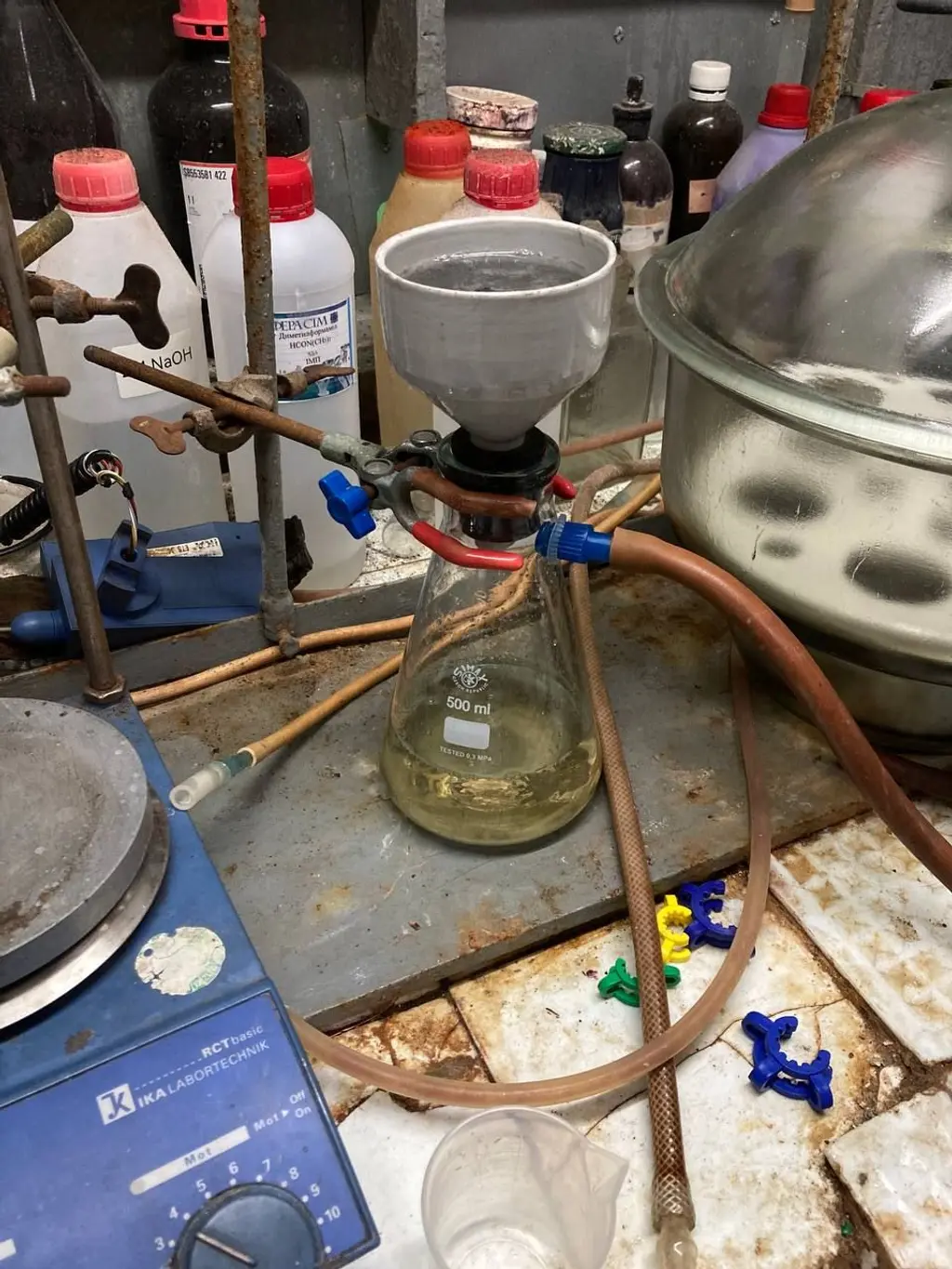
Oil / Fat Refinement
Larvae raised on specific diets can alter their lipid profiles. For instance, when reared on a coconut-based diet, BSF larvae had increased lipid content and significantly higher lauric acid levels compared to those raised on standard diets. The oil is extracted, purified, and possibly fractionated into individual fatty acids or used as a blended lipid mixture. (pubmed.ncbi.nlm.nih.gov)
Converting Frass into Materials
Frass is mostly used as fertilizer already, but researchers are exploring its polysaccharide, lignocellulose and mineral content for creating biodegradable films or as filler in biocomposites. While BSF frass as a raw material for packaging or bioplastics is still largely experimental, the concept aligns with trends in biorefining agricultural residues. (frontiersin.org)
Current Applications & Early Movers
Cosmetics and Skin Actives
- A product called Point68, launched by Insect Beauty LLC in collaboration with Sibu Sea Berry Therapy, uses 20% BSF oil blended with plant oils to produce a high-function face and neck oil. This exemplifies market willingness to accept insect-derived oils when framed as sustainable luxuries. (mdpi.com)
- BSF oil has antibacterial, anticandidal, anti-inflammatory and barrier-restoring properties due to its blend of fatty acids and derivatives. Studies show it inhibits enzymes like hyaluronidase, shows UVB protection and antioxidant potential. (frontiersin.org)
Biopolymers & Packaging
Chitosan extracted from insect exoskeletons is being used not only in cosmetics but also in experimental film and coating systems. Because chitosan is now eligible under the U.S. EPA minimum risk pesticide exemption for its antimicrobial and plant growth–regulating properties, it opens new markets in plant-based coatings or packaging needing functional barrier or preservative capability. (epa.gov)
Biorenewable materials markets are expanding: the biorefinery sector is expected to grow significantly by 2035, and BSF-derived compounds fit within that wave of biomass conversion into materials and chemicals. (marketresearchfuture.com)
Regulatory & Market Landscape
Regulatory Frameworks
- In the United States, chitosan (from insects or crustaceans) is now listed as an ingredient eligible for minimum risk pesticide products—in effect easing certain regulatory burdens when used for antimicrobial or plant defense functions. (epa.gov)
- In Europe, Regulation (EC) No. 1223/2009 governs cosmetics. Any cosmetic using BSF-derived ingredients must comply: safety assessment, responsible person, labeling under INCI names. The origin (insect vs crustacean) may not always be explicit but safety data, stability, and traceability are essential. (en.wikipedia.org)
- In China, recent updates to the National Cosmetic Ingredient Inventory include newly notified ingredient approvals, but few insect-derived inputs have been publicly acknowledged to date. (zmuni.com)
Market Growth & Drivers
Global BSF market size is expanding rapidly: from an estimated USD 0.44 billion in 2025 to over USD 5.6–5.9 billion by 2035, registering CAGR around 29%. Growth is driven by demand for sustainable protein, organic waste management, and increasing regulation pushing biobased materials. (prnewswire.com)
Key segments expected to grow fastest include larvae oil (for biological actives), chitin / chitosan derivatives, and biofertilizers (frass). There is also rising interest in larvae oil for cosmetic/dermal and antimicrobial uses. (agricultureindustrywatch.com)
Challenges include variable quality depending on diet and rearing conditions, regulatory uncertainty in newer uses, consumer perception of insect-derived ingredients, and cost of purification and scaling over candidate alternatives. (agricultureindustrywatch.com)
Economic Viability & Scalability
To become economically viable, BSF-derived materials must compete with established inputs like plant oils, synthetic emulsifiers, or petrochemical‐derived bioplastics.
- Diet manipulation can tune fatty acid profiles (e.g. boosting lauric acid content), improving cosmetic value but sometimes at cost of protein yield. (pubmed.ncbi.nlm.nih.gov)
- Extraction costs (for oil, chitin) and purification (removing metals, residues) are non-trivial. Wild variation in feedstock (e.g. waste substrates) requires robust processing protocols.
- Scale matters. Automated rearing, vertical integration, AI and sensor-based monitoring are being adopted in advanced operations to reduce labor and improve consistency. (prnewswire.com)
- Market premiums for “sustainable”, “biobased”, “insect-derived” ingredients may help offset higher costs, especially in clean beauty, luxury cosmetics, or high-performance bioplastics markets.
Case Studies
Oil-Based Cosmetic Product
Point68 face and neck oil uses 20 % BSF oil blended with sea buckthorn and other plant oils; marketed as the first luxury skin oil with insect-derived oil in the blend. It highlights consumer acceptance when ethics, traceability, and sustainability are emphasized. (mdpi.com)
Tailored Diet to Increase Lauric Acid Content
A study reared larvae on a coconut-based feed and found lipid content almost doubled (47.3 % vs ~25 %) and lauric acid content increased by ~150 % over a standard diet, showing diet can meaningfully shift bioproduct value. (pubmed.ncbi.nlm.nih.gov)
Future Outlook & Recommendations for BSF Farmers
Farmers and processors who want to expand into bioplastics or cosmetics value chains should consider:
- Strategic partnerships with cosmetic formulators, universities and materials science labs to test product safety, formulation and stability.
- Investing in standardized extraction and purification processes, including heavy metal testing, traceability systems, and consistent rearing protocols.
- Consumer transparency: labeling (INCI names), origin stories, and sustainability claims; helping overcome ethical or cultural barriers around insect-derived materials.
- Regulatory engagement, including keeping tabs on evolving rules in the EU, U.S., China and other markets. For example, the EPA’s stance on chitosan and cosmetic safety files.
- R&D in dietary substrates to alter fatty acid profiles or yield of chitin, cost optimization for extraction, and exploring biofilm or bioplastic prototypes using frass or exoskeleton polysaccharides.
The expanding opportunities for BSF-derived materials in cosmetics and bioplastics suggest a promising future — especially for those producers who move early, ensure quality and navigate regulatory complexity while delivering sustainable innovation.
Frequently asked questions
Which BSF-derived materials does this post cover beyond feed?
Three: chitin and chitosan from exoskeleton or pupal shells, used for antimicrobial, film-forming and wound-healing applications, including Insectta cosmetics-grade chitosan; larval fat or oil rich in lauric, oleic and linoleic acids, used in cosmetics and antimicrobial formulations, including Point68 at 20% BSF oil; and frass, used as a biofertilizer today and as an experimental feedstock for bioplastics or compostable films.
How is chitosan made from BSF, and what commercial example is named?
After larvae molt or during pupation, the exoskeleton contains chitin. Deacetylation converts chitin into chitosan, a more soluble, bioactive derivative. Insectta offers cosmetics-grade chitosan described as heavy-metal-free, traceable and suitable for skincare, haircare and antimicrobial applications.
What did a coconut-based diet do to BSF oil?
Larvae reared on a coconut-based diet had lipid content almost doubled (47.3% versus about 25%) and lauric acid content increased by about 150% over a standard diet. Diet manipulation can tune fatty acid profiles and cosmetic value, but sometimes at the cost of protein yield.
Is BSF frass already a commercial bioplastics feedstock?
No. Converting frass into biodegradable films or biocomposite filler is still largely experimental. Frass is mostly used as fertilizer today.
What regulatory points does the post record for chitosan and cosmetics?
In the United States, chitosan is listed as an ingredient eligible for minimum-risk pesticide products. In Europe, Regulation (EC) No. 1223/2009 governs cosmetics, so BSF-derived ingredients need a safety assessment, a responsible person and INCI labeling. In China, few insect-derived cosmetic inputs have been publicly acknowledged to date.