.jpg)
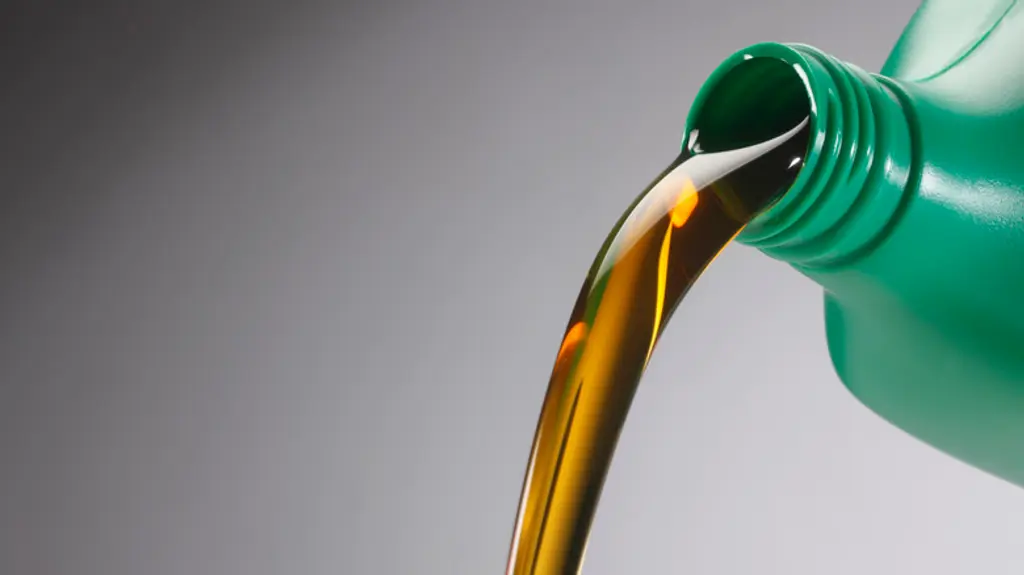
Black soldier fly larvae can convert waste into biofuel through bioconversion. The larvae accumulate approximately 15% of their body weight as fats, which are then processed into oils suitable for biodiesel. The waste-conversion side, before the oil is routed to fuel, is black soldier fly organic waste management.
That oil is the same larval fat stream discussed for cosmetics and other BSF-derived materials. Biofuel is one outlet when the fat is not going into feed.
From waste fat to biodiesel
The oil composition includes saturated and unsaturated fatty acids, such as lauric acid, palmitic acid and oleic acid, which matter for biodiesel production. Conversion occurs via non-catalytic transesterification: the oil reacts with alcohol under elevated temperature and pressure without a catalyst.
| Step | What this post states |
|---|---|
| Larval fat | About 15% of body weight |
| Fatty acids named | Lauric, palmitic, oleic |
| Conversion route | Non-catalytic transesterification with alcohol |
| Process conditions | Elevated temperature and pressure, no catalyst |
| Primary paper | Jung et al. (2021), BSF larvae from food waste |
Where the legal constraint sits
The approach adds value when processing waste materials, but regulatory frameworks vary by region. European rules restrict introducing products derived from insect-fed waste into food chains, which makes this application more viable in jurisdictions without that constraint.
In the EU, the same substrate question also limits feed-grade meal. EU insect feedstock and substrate rules is the feed-side version of that bottleneck.
Further research is available in Jung et al. (2021), examining biodiesel production from black soldier fly larvae originating from food waste.
Frequently asked questions
How much fat do black soldier fly larvae accumulate for biofuel?
The larvae accumulate approximately 15% of their body weight as fats, which are then processed into oils suitable for biodiesel.
Which fatty acids in BSF oil matter for biodiesel?
The oil composition includes saturated and unsaturated fatty acids, such as lauric acid, palmitic acid and oleic acid, which matter for biodiesel production.
How is BSF oil converted into biodiesel in this post?
Conversion occurs via non-catalytic transesterification: the oil reacts with alcohol under elevated temperature and pressure without a catalyst.
Why can waste-fed BSF biodiesel be more viable than waste-fed BSF in food chains?
European rules restrict introducing products derived from insect-fed waste into food chains, which makes this application more viable in jurisdictions without that constraint.
Which paper does this post point to for BSF biodiesel from food waste?
Jung et al. (2021), examining biodiesel production from black soldier fly larvae originating from food waste.