.jpg)
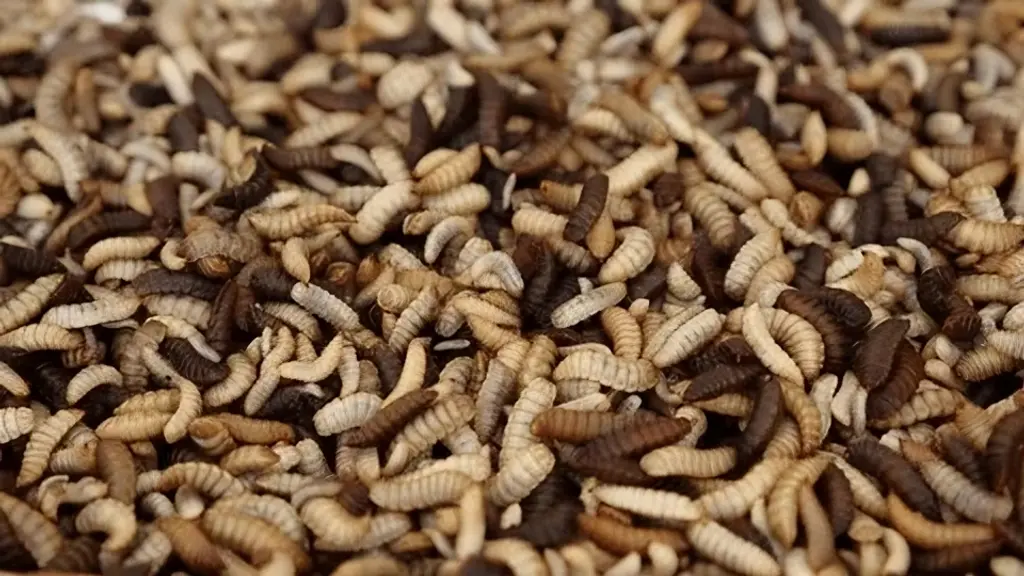
Black soldier fly organic waste management is a conversion job, not a disposal slogan. Hermetia illucens larvae eat decomposing organic matter and turn it into protein-rich animal feed and nutrient-dense fertilizer (biofrass).
That is why operators treat BSF as a waste-to-product system: the same larvae that reduce landfill organics also produce feed and fertilizer that can re-enter agriculture.
What the larvae convert
The larvae consume decomposing organic matter and convert it into two saleable outputs: insect protein for animal feed and biofrass, a rich organic fertilizer. Their short lifecycle and self-sustaining reproduction make BSF a practical option for continuous waste processing.
Turning a waste stream into a farm still depends on trays, neonates, licenses and what you can legally sell. How to start a black soldier fly farm covers that operator sequence.
Lifecycle, nutrition and emissions
| Fact already measured here | Figure |
|---|---|
| Lifecycle, egg to adult | About 45 days |
| Eggs per female | Around 500–900 in her lifetime |
| Larval protein | Up to 42% |
| Larval fat | Up to 35% |
| Composting CO2 | Studies show BSF composting emits 47% less CO2 than traditional composting |
BSF larvae also contain essential amino acids and minerals used in animal growth. On the sanitation side, the larvae can help mitigate pathogen spread by outcompeting harmful bacteria in the waste.
Feed, frass and the circular loop
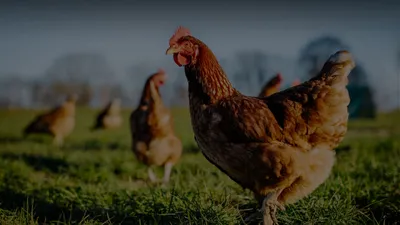
Animal feed. The protein and fat content make BSF larvae a substitute for conventional feed ingredients such as soy and fishmeal. They are used in aquaculture, poultry and pig farming.
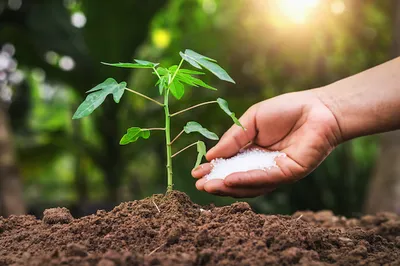
Biofrass. The frass (larvae excrement) is a nutrient-rich organic fertilizer. It contains nitrogen, phosphorus and potassium. The phosphate comparison with mineral fertilizer is in the frass phosphate fix.
Scale. BSF farming requires relatively low investment and can be scaled to the waste input and the resources available, from small farms to larger waste-management operations.
Circular economy. Recycling organic waste into feed and fertilizer reduces dependence on finite resources. In the EU, what the larvae may legally eat is often the tighter constraint than whether meal can be sold. That is the EU insect feedstock and substrate bottleneck.
For lignocellulosic streams that do not break down on their own, BSF pretreatment of tough organic waste is the next process question. For a city-scale composting proposal, see Bengaluru’s BSF composting plan.
Frequently asked questions
What is black soldier fly organic waste management?
A conversion job, not a disposal slogan. Hermetia illucens larvae eat decomposing organic matter and turn it into protein-rich animal feed and nutrient-dense fertilizer (biofrass).
How long is the BSF lifecycle, and how many eggs does a female lay?
The lifecycle from egg to adult is about 45 days. A female lays around 500 to 900 eggs in her lifetime.
What protein and fat levels do the larvae reach, and how do composting emissions compare?
Larval protein is up to 42% and larval fat up to 35%. Studies show BSF composting emits 47% less CO2 than traditional composting.
What do you still need if you turn a waste stream into a black soldier fly farm?
Trays, neonates, licenses and what you can legally sell. The operator sequence is the same as starting a black soldier fly farm. In the EU, what the larvae may legally eat is often the tighter constraint than whether meal can be sold.
What products come out of BSF waste conversion?
Insect protein for animal feed, used in aquaculture, poultry and pig farming, and biofrass, a nutrient-rich organic fertilizer that contains nitrogen, phosphorus and potassium. The larvae can also help mitigate pathogen spread by outcompeting harmful bacteria in the waste.