.jpg)
If you want to start a black soldier fly farm, start with the operator basics: what you can sell, what it actually costs, and the warehouse, licenses, trays and neonates you need before the first Armageddon. The insect is Hermetia illucens; its origin, history and global spread run from Linnaeus in 1758 to a near-cosmopolitan range.
If you’ve thought about it for more than five minutes and still want to go ahead, prepare yourself. Problems are coming: pests, strong odors, and larvae on the warehouse floor.
What you actually sell: meal, oil and frass
First, the market. Before embarking on this madness, you should know the prices. Some people see websites selling soldier flies at €12/kg and imagine the market price must be €6 or maybe €4. But no, far from reality. Dehydrated costs €3/kg. And to get 1 kg of dehydrated larvae, you will need 4 kg of live larvae.
You might decide to sell live BSF, but the market is small and logistics are horrible. More than once, the DHL transporter has come to tell us that everything has escaped throughout the van. You can use grids, bags, whatever. They will find a way out or die from the heat during the months of May to October.
So, what do you sell? The goal of raising BSF should be to produce flours (and oil) and frass. Frass is the organic fertilizer from the soldier fly. It has an NPK of approximately 3-3-3, depending on the diet.
During the process of producing flours, you take 4 kg of live larvae, sacrifice them (usually by temperature), dehydrate them, and then pass them through a screw press. That extracts the oil (fat) on one side and the protein on the other. That is the farm-side of black soldier fly organic waste management: the same larvae that eat decomposing organic matter leave meal, oil and frass.
You can sell this flour to feed developers, and the oil can also be sold for pet food or animal agriculture. You will have to sell the frass to farmers, but this will be a challenge because you will need the appropriate licenses to sell fertilizers.
| Product | Operator fact |
|---|---|
| Dehydrated larvae | About €3/kg, not the €12/kg website listings |
| Live-to-dry conversion | 4 kg live larvae → 1 kg dehydrated |
| What to sell | Meal (flour), oil and frass. Not live larvae. |
| Live logistics | Small market. They escape in transit or die in heat from May to October. |
| Processing | Kill by temperature, dehydrate, then screw-press into protein and oil |
| Frass | NPK about 3-3-3, diet-dependent. Fertilizer licenses required. |
Warehouse, licenses and the EU substrate bottleneck
You will need an industrial warehouse that complies with all regulations. In this warehouse, you will have to obtain the necessary licenses for the activity. This process can take more than six months.
In the EU, the harder permit question is often what the larvae may legally eat, not only whether you can sell the meal. That substrate bottleneck is covered in EU insect feedstock and substrate rules.
Trays, neonates and the first pallet
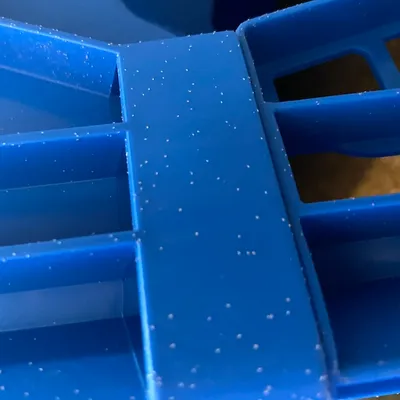
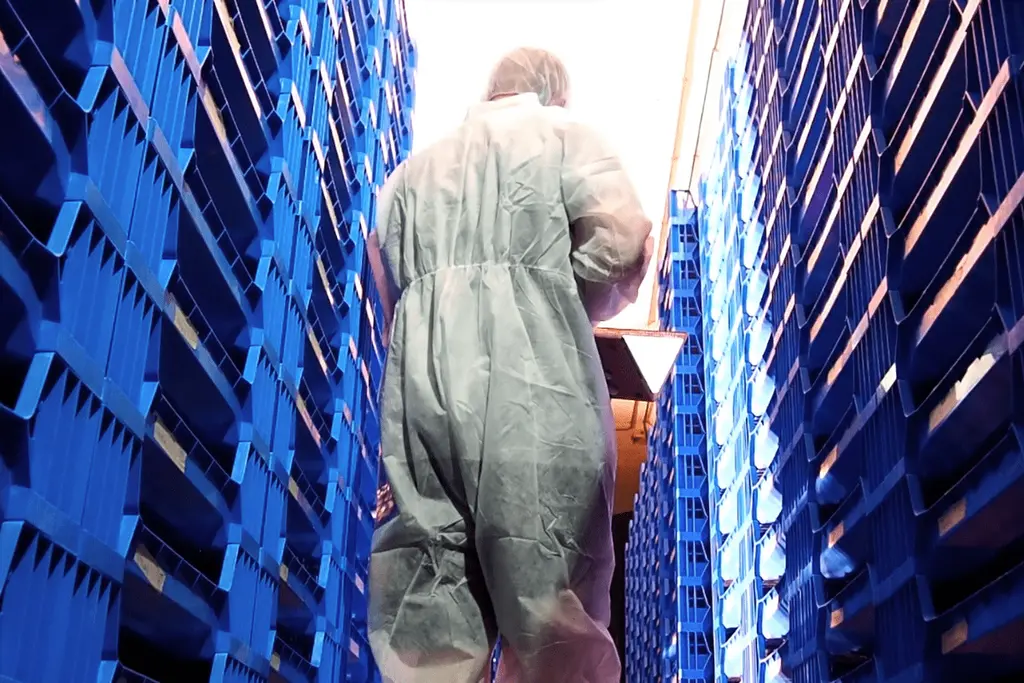
Once you have the warehouse with all the licenses, start by buying trays. You can order them from Insectius, Beekenkamp, or other suppliers. The best trays are stackable.

You can start with as many trays as you want. I recommend 70 trays (one pallet), because you will have a learning curve with these insects.
Then buy neonates. I do not recommend doing the reproduction and fattening. They are really two business models that require two infrastructures. Approximately 1 g of neonates will allow you to obtain 5 kg of live larvae.
Temperature, start month and Armageddon
Ideally, start raising them in March or September. For a few months you will not need to invest in air conditioning or temperature control. Keep the warehouse between 26 and 29 degrees. They can live at lower temperatures. The downside is that they will not grow as fast.
Above all, do not make sudden changes in diet or temperature. If the larvae are not comfortable, they will leave. It is something that will happen to you a few times before you master it. It has happened to all of us.
You might wonder what an Armageddon is. You arrive one day at the warehouse, excited to see how your larvae are growing, you open the door, and you see that the floor is not the color it was yesterday, but rather a light brown. For a moment you wonder if someone has painted in your absence, until you realize that no, all those are your larvae that have escaped from the trays.
Pests, odors and escape are the same cluster of problems. Controlling and monitoring pests in BSF farms covers moths, mites, spiders and houseflies once the trays are running.
Starter checklist
- Industrial warehouse that complies with the regulations for the activity.
- Activity licenses in place. Budget more than six months.
- In the EU, confirm what the larvae may legally eat before you lock a substrate plan.
- Stackable trays from Insectius, Beekenkamp or another supplier. Start with 70 (one pallet).
- Buy neonates. Do not start reproduction and fattening as one business.
- Plan around 1 g of neonates → 5 kg of live larvae.
- Start in March or September if you want a few months without air conditioning.
- Hold 26–29°C. No sudden diet or temperature changes.
- Sell meal, oil and frass. Do not build the plan around live larvae.
- Get the fertilizer licenses before you treat frass as a second product.
- Expect pests, strong odors and at least one Armageddon.
If you want to save yourself trouble setting up your farm, talk to Insectius and they will advise you during the process, giving you the necessary training so that you can better face all these setbacks.
For a fuller operator-oriented treatment of facility design, substrate management, larvae rearing, harvesting, processing, and BSF farm economics, see The Black Soldier Fly Book, Marcos Aguayo’s practical BSF farming guide.
Frequently asked questions
Do you need a warehouse and licenses to start a black soldier fly farm?
Yes. You need an industrial warehouse that complies with the regulations for the activity, and you have to obtain the necessary licenses. This process can take more than six months. In the EU, the harder permit question is often what the larvae may legally eat, not only whether you can sell the meal.
How many trays do you need to start?
Start by buying stackable trays from Insectius, Beekenkamp, or other suppliers. You can start with as many trays as you want. The recommendation is 70 trays (one pallet), because you will have a learning curve with these insects.
Should you buy neonates or start reproduction yourself?
Buy neonates. Reproduction and fattening are two business models that require two infrastructures. Approximately 1 g of neonates will allow you to obtain 5 kg of live larvae.
What temperature should a black soldier fly farm run at?
Keep the warehouse between 26 and 29 degrees. They can live at lower temperatures, but they will not grow as fast. Do not make sudden changes in diet or temperature. Ideally start in March or September so for a few months you will not need air conditioning or temperature control.
What do you sell from a black soldier fly farm?
Meal (flour), oil and frass. Not live larvae. The live market is small and logistics are horrible: larvae escape in transit or die from the heat from May to October. Dehydrated larvae cost about €3/kg, and 4 kg of live larvae yield 1 kg dehydrated. Processing is kill by temperature, dehydrate, then screw-press into protein and oil. Frass has an NPK of approximately 3-3-3 depending on diet, and you need fertilizer licenses to sell it.
What is the starter checklist for a black soldier fly farm?
Industrial warehouse that complies with the regulations for the activity. Activity licenses in place, with more than six months budgeted. In the EU, confirm what the larvae may legally eat before you lock a substrate plan. Stackable trays from Insectius, Beekenkamp or another supplier, starting with 70 (one pallet). Buy neonates rather than starting reproduction and fattening as one business. Plan around 1 g of neonates to 5 kg of live larvae. Start in March or September if you want a few months without air conditioning. Hold 26–29°C with no sudden diet or temperature changes. Sell meal, oil and frass rather than building the plan around live larvae. Get fertilizer licenses before treating frass as a second product. Expect pests, strong odors and at least one Armageddon.