.jpg)
Introduction
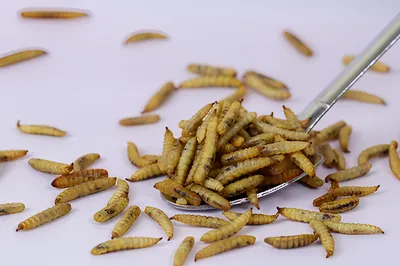
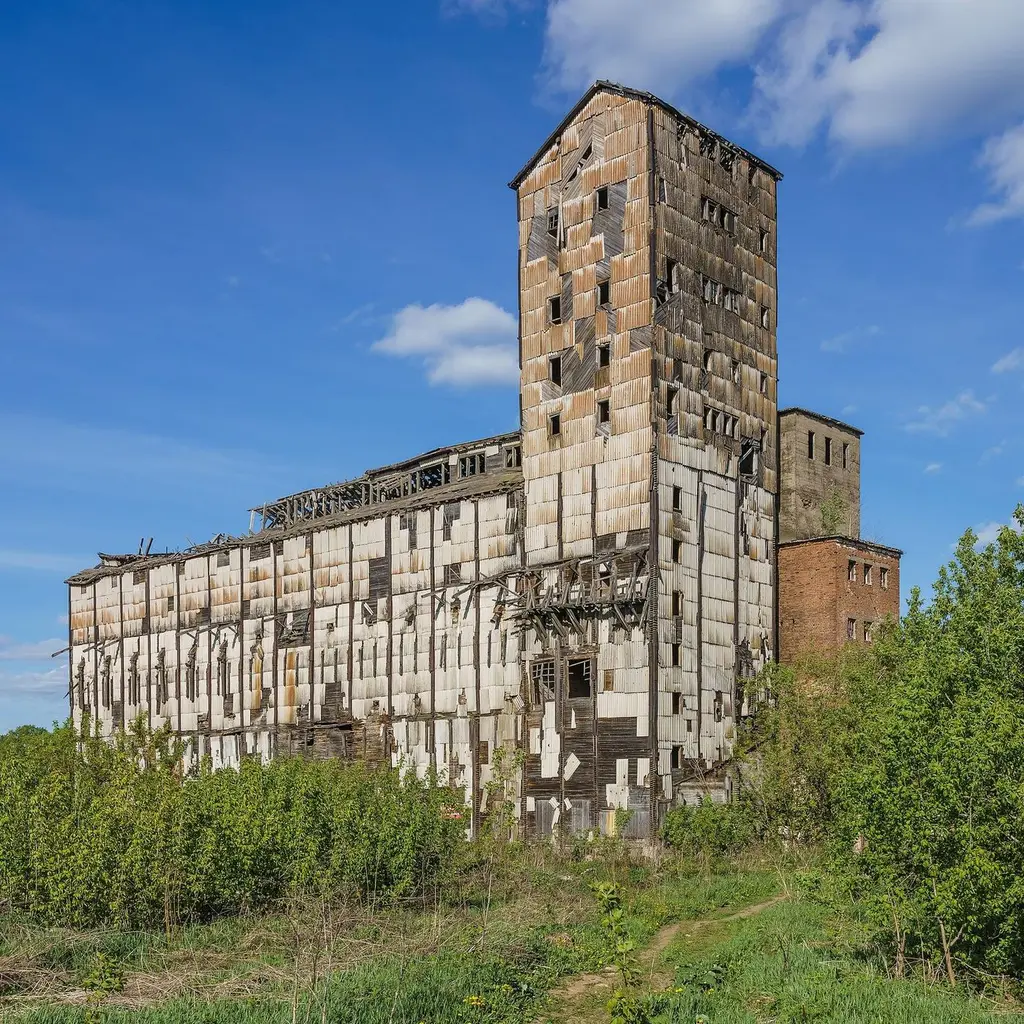
2024–2025 was the year several big BSF names broke: ENORM Biofactory went bankrupt, Inseco exited, and Ÿnsect and Agronutris entered court-supervised restructuring and liquidation. The larvae still grew. The economics, regulation, offtake and scale-up did not.
Ambitious scale-up plans, record investment rounds, and bold regulatory approvals had painted a rosy picture. These setbacks were not a biology problem. They were economic pressure, regulatory friction, weak offtake and scaling challenges.
Below: what went wrong, how the broader economic and policy context shaped these outcomes, and how innovations and shrewd management might steer BSF back toward resilient growth.
What Went Wrong: Case Studies
ENORM Biofactory (Denmark)
ENORM opened a 22,000-square-meter factory in Hvirring in December 2023, aiming to produce over 10,000 tonnes of insect meal annually. It raised about €50 million, including from the Danish agricultural cooperative DLG. But by late 2025, it filed for bankruptcy. The causes: lengthy regulatory and construction delays that delayed full operations, inflated costs before revenue kicked in, and waning demand for high-margin insect meal as buyers balked at premium prices.(eagmark.net)
Inseco (South Africa)
Founded in 2018, Inseco secured a $5.3 million seed round in 2022, with ambitions to turn food waste in Cape Town into BSF meal, oil, and fertilizer. Its downfall came from power instability (recurring four-hour outages), deferred capital investment (especially in backup generators), technical and staffing missteps, and operating in a macro environment where both investor confidence and offtake dropped sharply. Scaling too quickly, pivoting too slowly, magnified the risks.(agfundernews.com)
Ÿnsect (France)
Ÿnsect, once a true industry poster‐child with over €600 million raised since 2011, began a rapid decline: safeguard proceedings initiated in September 2024, CEO turnover, an urgent €10 million bridge round in early 2025, then ultimately judicial liquidation in December 2025 after failing to secure the funding needed for its continuation plan. Even its pilot facility near Dole was acquired separately, while the flagship facility was closed. An unstable industrial process, intense competition, and an inability to meet cost expectations underlie the collapse.(petfoodindustry.com)
Agronutris (France)
Agronutris also filed for safeguard proceedings under its holding company in 2025. While its facility in Rethel (Ardennes) has been operating and producing oils and proteins from BSF, its R&D and administrative arm needed restructuring to survive debt burdens and delays in scaling. The funding environment had shifted sharply since its 2021 raise, and setbacks elsewhere in the sector have made investors cautious.(agfundernews.com)
Economic & Market Context
Rising Costs, Slim Margins
Feedstock costs, energy, construction, automation, labor—all of these have pushed up both capital expenditure (CAPEX) and operating expenses (OPEX). In colder climates, climate control and energy costs can be significant. With production delays came cash burn, long timelines before revenue could cover fixed costs. Markets expecting low‐cost insect protein were disappointed when prices remained 2 to 10 times higher than traditional protein sources like soy or fishmeal.(agfundernews.com)
Competition and Pricing Pressure
It’s one thing to produce novel insect protein; it’s another for that protein to compete commercially. Regulators sometimes allow insect meal in aquafeed or poultry feed, but feed needs to be affordable—not just novel or sustainable. Buyers, especially in industrial agriculture, are extremely price sensitive. If soy or fishmeal drop in price, insect protein becomes harder to justify.(prnewswire.com)
Investor Expectations vs. Reality
Many companies projected ambitious revenue growth, assuming approvals, market development, and scale would happen rapidly. But as Ÿnsect’s filings revealed, actual revenues in 2023 (around €5.8 million) were far below running costs, and the company carried massive liabilities. Investors expecting rapid returns or cost reductions were met with technical, regulatory, and execution challenges that required far more time—and cash—than anticipated.(agfundernews.com) For founders planning a BSF facility rather than just reading market narratives, The Black Soldier Fly Book gives a more operator-focused BSF farming guide to the practical trade-offs behind these failures.
Regulatory & Policy Challenges
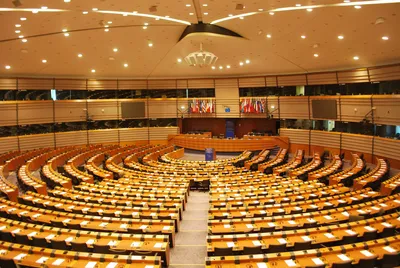
Regulatory clarity remains uneven. Some jurisdictions allow BSF protein in feed (aquaculture, poultry), others are still evaluating safety, feedstock rules, or waste input approvals. The EU feedstock row is EU insect feedstock and substrate rules. For instance, while BSF frass (excrement-plus-bedding output) is being considered as organic soil fertilizer in some areas, others demand certifications or bans on certain waste types. Regulatory approval delays add months (sometimes years) to timelines, which strikes at companies with high debt service or high fixed costs.
Additionally, policies that could support the sector—such as subsidies, mandates for alternative proteins, or feed diversification strategies—are not uniformly in place. Where they are, bureaucratic hurdles, safety testing requirements, and shifting policy priorities can slow progress and increase risk.
Bright Spots & Emerging Solutions
Modular & Automated Farms
A 2025 market report estimates that modular farms—those composed of prefabricated, scalable units—could reduce production costs by up to 75%.(globenewswire.com) The cost and regulation map is in scaling BSF with modular farms. Such modular setups allow firms to expand in stages, reduce CAPEX per unit, and potentially localize production closer to feedstock sources. Some firms are already pursuing these strategies, especially outside Europe where land, construction, and power costs are lower.
Localized Production & Smallholder Integration
In developing regions, integrating BSF farming into smallholder agriculture (Africa, Asia) helps reduce transport costs, leverage local waste streams, and distribute risk. The East Africa version of that integration is BSF with vegetable push-pull systems. These models may not generate tens of thousands of tonnes of protein immediately, but they build resilience, distribute impact, and reduce upfront capital demands.
Ancillary Products
Beyond meal and oil, other product streams like frass (soil amendments), chitin, insect oils, and even ethical cosmetics or pet food ingredients are potential buffers. These products often have higher per-unit margins or require less stringent regulatory pathways. Companies diversifying into these may survive even if bulk animal feed prices remain challenging.
What Stakeholders Can Do Better
- Take a more phased approach: build smaller scale-ups first, prove operations, optimize feedstocks, get regulatory approvals, then scale CAPEX.
- Use realistic financial models—include long delays in regulatory approvals, variable demand, and pricing volatility in feed and competing proteins.
- Engage regulators early; help define safety and input rules rather than react passively.
- Invest in R&D for flexible feedstocks, lower energy use, improved automation (especially for climate control and waste handling).
- Build partnerships with municipalities (waste use), agricultural sectors, or food processors to secure cheaper, reliable feedstock inputs and reduce logistical costs.
Outlook
On the industrial side that is still operating, Innovafeed’s €51 million round is the 2026 version of the same lesson: concentrate on a working site, cut the rest, and sell into pet food and aquafeed.
Despite high-profile failures, the fundamentals are still attractive: growing demand for sustainable protein, waste valorization, climate mitigation, and regulatory pressure to reduce reliance on soy/fishmeal. 2026–2028 could be a pivotal period, especially for firms pursuing modular or leaner models. But one thing is clear: the future won’t look like the hype cycle of 2019–2023. It will be messier—but potentially more resilient.
Frequently asked questions
Which BSF-related companies broke in 2024–2025?
ENORM Biofactory went bankrupt, Inseco exited, and Ÿnsect and Agronutris entered court-supervised restructuring and liquidation. The larvae still grew. The economics, regulation, offtake and scale-up did not.
What happened to ENORM Biofactory?
ENORM opened a 22,000-square-meter factory in Hvirring in December 2023, aiming to produce over 10,000 tonnes of insect meal annually. It raised about €50 million, including from the Danish agricultural cooperative DLG. By late 2025, it filed for bankruptcy. Causes named here include lengthy regulatory and construction delays, inflated costs before revenue, and waning demand for high-margin insect meal.
What happened to Ÿnsect in this period?
Safeguard proceedings began in September 2024, followed by an urgent €10 million bridge round in early 2025, then judicial liquidation in December 2025 after it failed to secure funding for its continuation plan. It had raised over €600 million since 2011. 2023 revenues were around €5.8 million, far below running costs.
Were these setbacks a biology problem?
No. They were economic pressure, regulatory friction, weak offtake and scaling challenges. Markets expecting low-cost insect protein were disappointed when prices remained 2 to 10 times higher than traditional protein sources like soy or fishmeal.
What cost cut does the 2025 modular-farm report claim?
A 2025 market report estimates that modular farms, those composed of prefabricated, scalable units, could reduce production costs by up to 75%.