.jpg)
Scaling black soldier fly production now turns on two questions: how the farm is built, and under which rules it may operate. Modular, decentralized units are the cost story. Global regulations are the constraint.
Over the past few years, Hermetia illucens has moved from niche curiosity to a working option for protein, waste management and circular agriculture. Farmers, startups and investors now focus not only on raising flies, but on how they are raised and under what rules. This post covers modular farms, the fragmented regulatory map, and what still blocks scale.
Modular and decentralized BSF farms
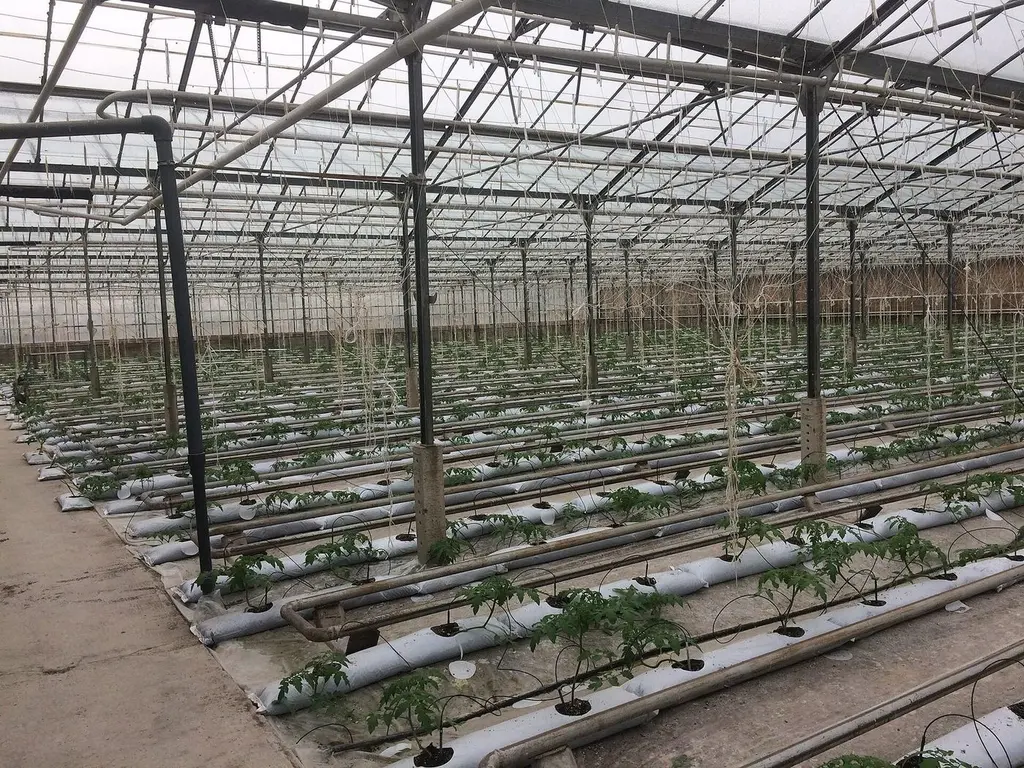
Traditional insect farms often require large facilities with fixed infrastructure. Modular farms—think units or mobile setups capable of being deployed closer to organic waste sources—are fast becoming a pivotal innovation in BSF production. A recent study reported that mobile or in-place modular systems can cut infrastructure costs by up to 75%, making entry practical for smaller operators or decentralized collection points. (rss.globenewswire.com) Operators comparing modular, containerized, and conventional facility layouts can also use The Black Soldier Fly Book as a practical BSF farming guide alongside regulatory and market research.
For example, a Lithuanian company, Insectum, introduced a mobile modular BSF unit that combines nurseries and breeding chambers. It handles organic waste streams such as food scraps and livestock manure and can support production of roughly 100 tons of larvae per day—a scale previously reserved for more capital-intensive facilities. (rss.globenewswire.com)
Industries that benefit from these modular systems include aquaculture feed (where proximity to fresh waste streams and supply consistency matter), pet food, fertilizer (via frass), and even high-value products like larvae oil. Modular farms being “plug-and-play” allow for faster scaling, easier replication, and lower upfront risk—for those willing to experiment. Yet, precision engineering, substrate quality, and climate control become critical when reducing footprints.
Regulatory landscape: a patchwork map
Regulations are often the biggest unknown when planning BSF operations. Many countries are still defining what is safe, what is permitted, and what licensing is required. A conventional warehouse still has to clear activity licenses before any modular unit is relevant; how to start a black soldier fly farm covers that sequence.
| Region | What this post records |
|---|---|
| EU aquafeed | Insect PAP allowed since 2017 (Regulation (EU) 2017/893) |
| EU poultry and pigs | Insect PAP allowed since 2021 (Regulation 2021/1372), under TSE rules |
| EU substrates | Certified raw and pre-consumer by-products only. No meat, fish, household food waste, slaughterhouse waste or sewage sludge. |
| United States | No unified federal insect-feed regime. Oversight split between FDA and AAFCO, plus the states. |
| US approvals named here | BSF larvae approved for salmonid feed and adult dog food. Broader poultry, swine or cat-food use still under review or state-by-state. |
| Malaysia | Nutrition Technologies approved to export BSF meal and oil to EU and UK after GMP and HACCP. |
| Singapore | Multiple insect species, including BSF, approved for food and feed. Many ASEAN rules still being formalized. |
The EU substrate row is the live bottleneck for European operators. The detail sits in EU insect feedstock and substrate rules.
European Union
- In the EU, feeds must align with TSE (transmissible spongiform encephalopathy) regulations. Despite earlier bans, since 2021, processed animal proteins (PAP) derived from insects have been permitted as feed for poultry and pigs under Regulation 2021/1372. For aquafeed, insect proteins have been allowed since 2017 (Regulation (EU) 2017/893). (mondaq.com)
- Substrates used to rear larvae are strictly regulated. Only certified raw and pre-consumer by-products may be used—no meat, fish, food waste from households, slaughterhouse waste, or sewage sludge. (kinsect.eu)
United States
- The U.S. doesn’t have a unified federal regime for insect-based feed ingredients. Instead, oversight is split between the FDA and AAFCO, with states playing a large role. (kinsect.eu)
- Currently, BSF larvae are approved for use in salmonid feed (i.e., fish) and in adult dog food. Broader approvals—e.g., for poultry, swine, or cat food—are under review or subject to individual state approvals. (mondaq.com)
Global South & Asia-Pacific
- Malaysia’s Nutrition Technologies stands out as one of the first companies approved to export BSF meal and oil to EU and UK markets, after securing GMP and HACCP certifications for its production facility. (foodnavigator.com)
- Singapore has been proactive in approving multiple insect species, including BSF, for human consumption and for feed applications. Still, in many ASEAN countries, specific BSF-related feed or food regulations are still being formalized—creating uncertainty for investors. (pmarketresearch.com)
Challenges with Scaling Up
Despite modular farms and regulatory progress, scaling BSF production to meet global demand is far from simple. Key hurdles span operational, infrastructural, and market dimensions.
Operational & Environmental Controls
Maintaining consistent, high-quality substrate materials is crucial. Even with permitted substrates, issues such as contamination, inconsistent nutrient profiles, and seasonal variability can cause large swings in larvae yield and quality. For modular farms, scaling down infrastructure can exacerbate these risks unless automation, monitoring, and traceability systems are strong. Biosecurity must be robust—viruses, pathogens, or cross-contamination with banned materials (e.g., ruminant PAP in certain contexts) can result not only in regulatory sanctions but also in facility shutdowns or loss of market trust. (eur-lex.europa.eu)
Capital Costs vs. Return on Investment (ROI)
Although modular systems reduce infrastructure costs, many other expenses remain: climate control, feedstock logistics, labor, energy (especially in non-tropical climates), and compliance costs (licenses, certifications, testing). Companies must balance initial investment with downstream product value—whether that’s protein meal, oil, frass, or other uses.
Market Acceptance & Supply Chain Hurdles
Consumer perception of insect-based foods or feeds remains mixed—especially in Western markets. Label transparency, nutritional claims, allergen risks (“yuck factor”) persist as obstacles. Supply chains are still immature: many operations lack properly refrigerated or climate-controlled transport, standard labelling and packaging systems, and trusted identity-preserved sources of feed substrate. All of this adds risk for buyers and delays contracts. (linkedin.com)
Innovation Trends and Solutions
Despite barriers, innovation is pushing the BSF industry forward.
Tech Integration
Automation, robotics, AI-assisted climate control, and IoT-based monitoring are becoming more common. Farms using automated harvesting and sorting systems can maintain better consistency and reduce labor costs. Predictive analytics help with feedstock volume planning and yield forecasting.
New Revenue Streams
Beyond just protein, BSF production creates byproducts and derivative opportunities: frass (insect waste) works as a high-quality biofertilizer or soil amendment; larvae oil contains valuable fatty acids (e.g., lauric acid) useful in animal health, cosmetics, or even biodiesel niches. Chitin and chitosan—components of exoskeletons—are being explored for use in biopolymers, pharmaceuticals, and water treatment. The multiplicity of streams helps amortize fixed costs and hedge risks.
Case Studies
- Nutrition Technologies in Malaysia: Using ambient climate advantages, certified facility compliance (GMP, HACCP), and proximity to agricultural byproduct sources to produce BSF meal and oil for EU/UK export markets. (foodnavigator.com)
- Insectum, Lithuania: Modular, mobile units that drastically slash infrastructure costs while enabling flexibility in location and scale. (rss.globenewswire.com)
Future Outlook & Recommendations
Looking ahead to 2030–2035, several themes and predictions are likely to emerge, along with strategic moves that potential BSF farm owners, investors, or policy advocates should prioritize.
- Regulatory harmonization will increasingly matter. Regions with clearer, more permissive rules (around feed substrates, allowed applications, and certifications) will pull ahead. Cross-border trade in BSF products will fuel pressure to align standards (e.g., safety, traceability).
- Market size growth looks steep. One projection estimates the global BSF market will rise from US$0.44 billion in 2025 to around US$5.60 billion by 2035, driven in part by demand for aquafeed, pet food, and sustainable waste processing. (prnewswire.com)
To get ahead:
-
Strategize location and scale – modular systems enable siting near waste streams or animal farms to reduce logistics. Tropical climates offer energy savings, but advances in insulation and climate control make colder regions viable with technology.
-
Invest in compliance early – facility certifications, HACCP, feed ingredient traceability, legal counsel versed in feed/food regulations. One misstep in substrate sourcing or contamination can collapse market access.
-
Choose substrates carefully – to guarantee nutrient consistency, regulatory acceptability, and supply chain stability. Avoid materials which are restricted or risky in key markets.
-
Build product line diversity – revenue from protein meal alone may struggle. Having dual or triple products (frass fertilizer, oil, cosmetics, larvae-based pet treats) improves risk profile.
-
Engage policy and industry associations – BSF producers are increasingly working with bodies like IPIFF in Europe, Singapore’s SFA, or state-level AAFCO panels in the US to shape favorable regulation. Regulatory support (grants, subsidies) often follows if you participate.
Frequently asked questions
How much can modular BSF farms cut infrastructure cost?
A recent study reported that mobile or in-place modular systems can cut infrastructure costs by up to 75%, making entry more practical for smaller operators or decentralized collection points.
What scale does the Insectum modular unit claim?
Insectum in Lithuania introduced a mobile modular BSF unit that combines nurseries and breeding chambers, handles organic waste such as food scraps and livestock manure, and can support production of roughly 100 tons of larvae per day.
What insect PAP uses and substrate limits does this post record for the EU?
Insect PAP has been allowed in aquafeed since 2017 under Regulation (EU) 2017/893, and in poultry and pig feed since 2021 under Regulation 2021/1372. Substrates are limited to certified raw and pre-consumer by-products. Meat, fish, household food waste, slaughterhouse waste and sewage sludge are not allowed.
What US approvals does this post name?
There is no unified federal insect-feed regime. Oversight is split between FDA and AAFCO, plus the states. BSF larvae are approved for salmonid feed and adult dog food. Broader poultry, swine or cat-food use is still under review or state-by-state.
What market-size projection does the post cite?
One projection estimates the global BSF market will rise from US$0.44 billion in 2025 to around US$5.60 billion by 2035, driven in part by demand for aquafeed, pet food and sustainable waste processing.